

What Makes Vancouver Island Good for Growing Cider Apples? | Jan’s Blog
What Makes Vancouver Island Good for Growing Cider Apples?
There is a reason Merridale is in Cobble Hill. Actually, there are several.
When Al Piggott established the Merridale orchard in 1990, he was looking for the right place to grow traditional cider apples. He settled on the Cowichan Valley, where the combination of climate, sunshine, elevation, soil and drainage created good conditions for an orchard.
More than 35 years later, we’re still planting cider apple trees here.
So what makes Vancouver Island, and particularly the Cowichan Valley, so good for growing cider apples?
Cowichan: the Warmland
The name Cowichan comes from Quw’utsun, from the Hul’q’umi’num’ language of the Quw’utsun Peoples. It relates to the idea of warming one’s back in the sun or basking in the sun. The name was applied to the people and then to the valley and surrounding places. (BC Apps). It’s an especially fitting name for an area known for its mild climate and long, warm summers.
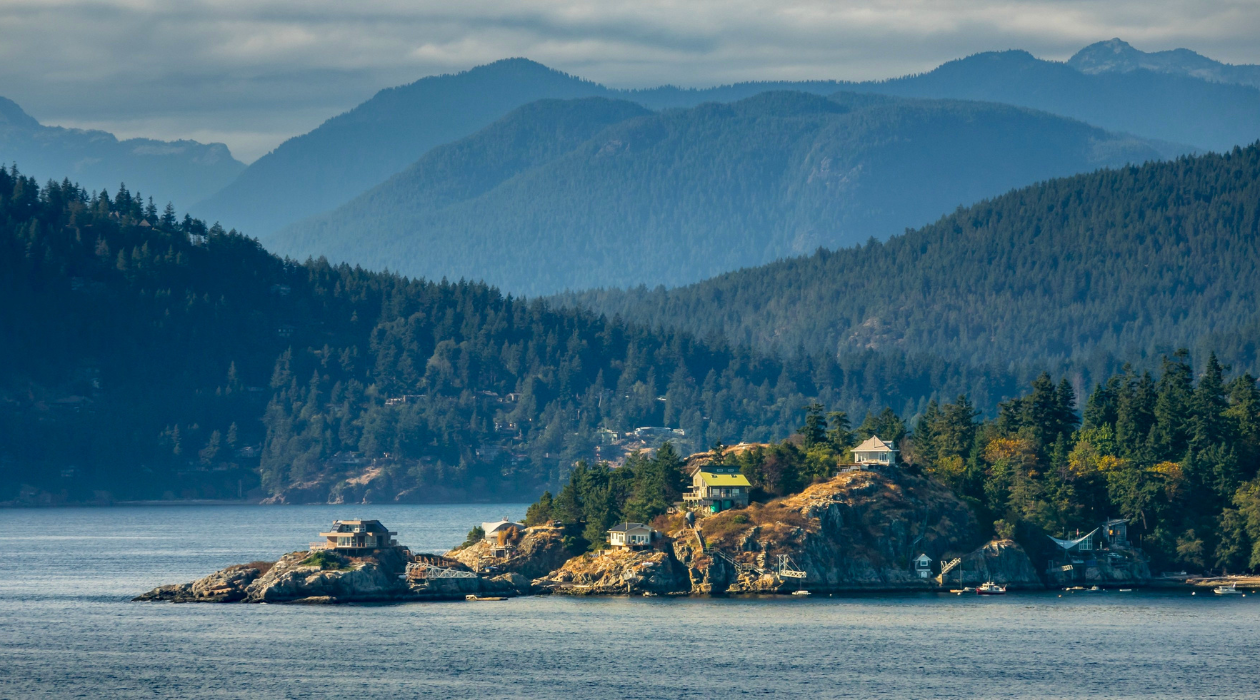
Vancouver Island is full of microclimates. Mountains, valleys, elevation, ocean exposure and prevailing winds all influence local weather, which means growing conditions can vary considerably from one part of the Island to another.
Cowichan is one of those fortunate little pockets.
The Cowichan Valley rain shadow
One of the reasons the Cowichan Valley is so well suited to agriculture is its rain shadow. Here’s the simple version: moist air comes in from the Pacific and is pushed upward by the mountains. As that air rises, it cools and releases moisture as rain. By the time the air reaches the other side of the mountains, it is drier.
The result is a relatively dry, sunny summer climate in the Cowichan Valley, even though other parts of Vancouver Island can be considerably wetter. The Cowichan River watershed is specifically recognized for having a rain-shadow effect and long, warm summers. (Canadian Heritage Rivers System)
For growing cider apples, that’s a pretty useful advantage.
Cider apples like a moderate climate
Cider apples aren’t necessarily looking for the hottest place they can find. Many traditional cider apple varieties originated in maritime climates such as England and northern France, and that is where our apples originally came from. They developed in places with relatively moderate temperatures and long growing seasons. That’s one reason Vancouver Island cider apples can make so much sense.
The Pacific Ocean moderates our temperatures, while the Cowichan Valley’s geography gives us warm, relatively dry summers. We don’t have the extreme summer heat of some of the fruit-growing regions in BC’s Interior.
And apples don’t need a furnace. They need time. Time for the fruit to develop. Time for sugars, acidity, tannins and flavour to come together. And plenty of sunlight to help the tree do its work. For cider apples, we’re not simply looking for a big, sweet apple. Traditional cider varieties are valued for the balance of characteristics they bring to cider, particularly acidity, tannin, sugar and distinctive fruit flavours.
That’s what makes them interesting in the glass.
Plenty of sunshine
Cowichan also benefits from an abundance of sunshine. Southeastern Vancouver Island is one of the sunniest parts of British Columbia, with the region’s geography and rain-shadow effects contributing to its relatively high annual sunshine. At the same time, temperatures are moderated by the surrounding Pacific Ocean and marine waters. (Government of British Columbia).
That’s an important distinction, because we don’t have the highest heat units in British Columbia. The Okanagan and other Interior regions are considerably hotter.
But for an apple, sunshine without excessive heat can be a very good thing. The tree gets plenty of light, while the maritime climate helps keep temperatures moderate.
It’s one of those cases where more isn’t necessarily better.
Why the hillside matters
The Cowichan Valley’s growing conditions aren’t just about weather. The landscape itself matters. Elevation, slope, soil and drainage can all make a difference to an orchard. Cold air tends to settle in the lowest parts of a valley, while sloping land can provide better drainage and reduce the risk of frost pockets.
The soils throughout the Cowichan Valley vary considerably because of the area’s geological and glacial history. For an orchard, having soil that drains well is particularly important. Apple trees don’t like sitting in wet feet.
Then there is the influence of the ocean. Vancouver Island’s maritime climate helps moderate both winter cold and summer heat, creating the kind of relatively even growing conditions that suit perennial fruit trees.
A good place for cider apples
Put it all together and the recipe starts to make sense:
· A mild maritime climate.
· Warm, relatively dry summers.
· Plenty of sunshine.
· A long growing season.
· Moderate summer temperatures.
· A rain shadow.
· Varied soils and good drainage.
· Moderating influence of the Pacific Ocean.
No wonder the Cowichan Valley has become such an important agricultural area on Vancouver Island.
And no wonder cider apples do well here.
For us, it’s also why continuing to plant trees makes sense.
An apple orchard is a long game. You don’t plant a tree and find out next Tuesday whether you’ve made a good decision.
You plant it. You care for it. You wait. And eventually, years down the road, it tells you what it thinks of your choice.
We’ve chosen Cowichan. So far, the trees seem pretty happy with us.
Next up: the trees we’re planting now—and why we’ve chosen the varieties we’re putting into the ground.

Share this article
Follow us
Latest articles
October 18, 2026
October 18, 2026
October 18, 2026